December Home Maintenance: Test Your Water Heater for Winter Efficiency
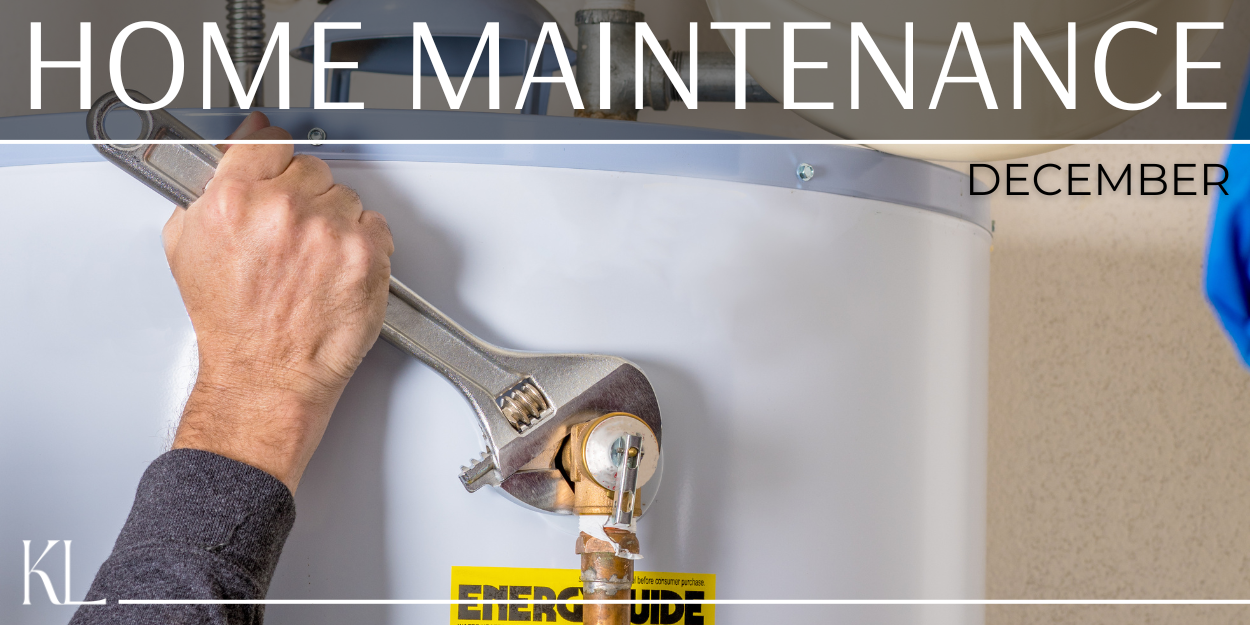
As temperatures drop and winter settles in, a reliable and efficient water heater becomes an essential part of your home. December is the perfect time to ensure your water heater is up to the task of providing warm, comforting water throughout the cold season. A little preventative maintenance now can save you from chilly surprises, costly repairs, or a full breakdown during the most inconvenient time.
Here’s a quick and simple checklist to test and optimize your water heater this month:
1. Check the Pressure Relief Valve
The pressure relief valve is a critical safety feature on your water heater. It releases excess pressure to prevent your tank from over-pressurizing, which can lead to leaks or even a dangerous explosion.
How to Test:
Locate the pressure relief valve (usually found on the top or side of the tank with a lever and a pipe leading down).
Place a bucket under the valve’s discharge pipe.
Lift the lever gently to release some water.
If water flows freely and stops when the lever is released, the valve is functioning properly.
If water doesn’t flow or continues dripping, it’s time to replace the valve.
2. Drain Sediment from the Tank
Over time, sediment from minerals in the water builds up at the bottom of your water heater. This buildup can reduce efficiency, cause uneven heating, and even damage the tank.
How to Drain the Tank:
Turn off the water heater (set it to “pilot” for gas heaters or turn off power for electric ones).
Attach a garden hose to the drain valve located at the bottom of the tank.
Place the other end of the hose in a drain or bucket.
Open the drain valve and let water and sediment flow out until it runs clear.
Close the valve, remove the hose, and refill the tank.
Turn the water heater back on and check that it’s functioning properly.
3. Insulate Your Pipes
Heat loss from pipes can make your water heater work harder to maintain hot water, leading to increased energy costs. Insulating the pipes helps keep water warmer for longer and improves efficiency.
Steps to Insulate Pipes:
Identify hot water pipes leading from the water heater.
Purchase foam or fiberglass pipe insulation from a local hardware store.
Measure and cut the insulation to fit around the pipes.
Secure the insulation with tape or zip ties for a snug fit.
This small step can make a big difference, especially in colder climates.
4. Test the Temperature Settings
Proper temperature settings ensure that your water is hot enough for comfort but not so hot that it poses a scalding risk or wastes energy.
How to Test and Adjust:
Check the current temperature setting on your water heater. It’s typically set at 120°F, which is ideal for most homes.
Use a thermometer to test the temperature of your hot water at the tap.
If necessary, adjust the temperature dial on the water heater (refer to your owner’s manual for guidance).
Avoid setting temperatures above 120°F to prevent burns, especially if you have children or elderly family members.
Benefits of Water Heater Maintenance
Regular water heater maintenance provides a host of benefits:
Improved Efficiency: A well-maintained water heater uses less energy, saving you money on utility bills.
Extended Lifespan: Proper care can add years to your water heater’s life.
Consistent Hot Water: No more sudden cold showers in the middle of winter.
Prevention of Costly Repairs: Addressing small issues now helps you avoid expensive breakdowns later.
When to Call a Professional
While these DIY steps are effective for most homeowners, certain signs indicate it’s time to call a professional plumber:
Unusual noises like popping or rumbling from the tank
Rust-colored water
Persistent leaks
No hot water or inconsistent temperatures
If your water heater is more than 8-12 years old, consider replacing it with a newer, energy-efficient model to ensure reliable performance for years to come.
Final Thoughts
Don’t let winter catch you off guard! By testing and maintaining your water heater this December, you can enjoy a warm, stress-free season while saving on energy costs. A little effort now goes a long way in keeping your home cozy and functional.
Stay warm, stay efficient, and enjoy the winter months with peace of mind!